By midlife, many people have spent years trying to think their way out of feeling inadequate. They’ve analyzed it, reframed it, talked themselves through it, reminded themselves of their accomplishments. And yet the feeling persists.
That’s often confusing. If you know you’re capable, why doesn’t your body seem to believe it?
One reason is that inadequacy doesn’t live only in thoughts. Over time, it becomes something your nervous system learns and carries.
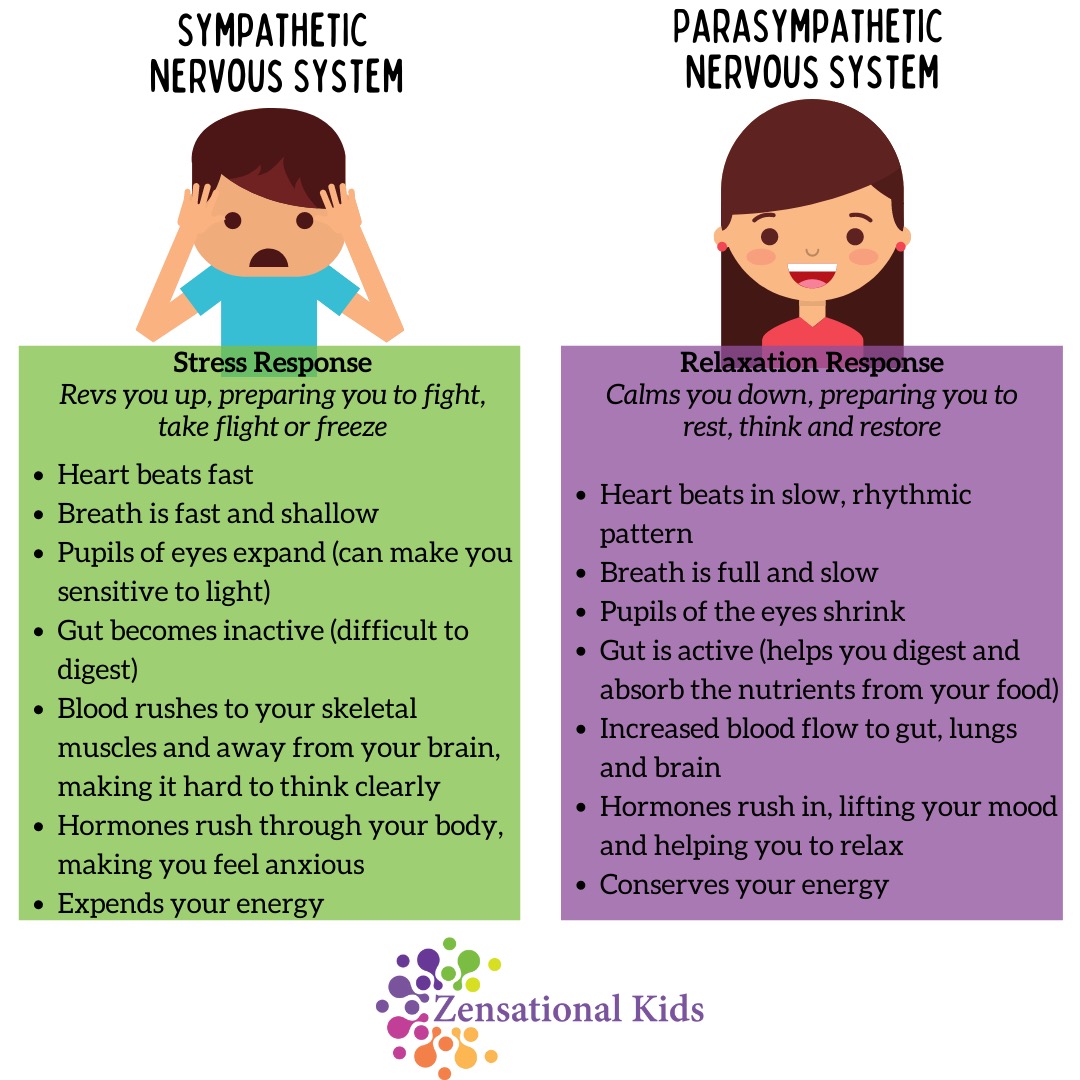
When you’ve spent years adapting, performing, and monitoring yourself—trying to get things right, not disappoint, not fall behind—your nervous system may stay in a low-level state of alert. Not panic. Not crisis. Just vigilance. A constant readiness to assess whether you’re doing enough or being enough.
This kind of vigilance often begins early, but it becomes especially visible in midlife. By then, the stakes feel higher. There’s more to manage, more to reflect on, and less tolerance for uncertainty. Your nervous system, already practiced at staying alert, responds by tightening its grip.
You might notice this as a subtle sense of tension in your body, even on good days. A difficulty fully relaxing. A habit of scanning conversations for how you came across. A feeling that rest has to be earned. These aren’t personality quirks. They’re signs of a system that has learned to stay braced.
When inadequacy lives in the nervous system, reassurance alone doesn’t reach it. You can tell yourself you’re doing fine, but your body still feels uneasy. Confidence feels temporary because it hasn’t been integrated at a physical level. Your system doesn’t yet feel safe enough to stop checking.
This is why midlife anxiety so often comes with exhaustion. Holding yourself together, evaluating yourself, and staying alert to how you’re doing takes energy. Over time, it wears you down. And the more tired your system becomes, the harder it is to access ease, confidence, or appreciation—even when nothing is actively wrong.
It’s also why feelings of inadequacy can feel irrational and deeply personal at the same time. Your nervous system isn’t responding to logic. It’s responding to pattern. To repetition. To years of internal messaging that said, Stay sharp. Stay careful. Don’t slip.
None of this means you’re broken. It means your system adapted in ways that once helped you function. But what helped you cope earlier in life may now be keeping you stuck in self-doubt.
The good news is that nervous systems can learn new patterns. They can learn what steadiness feels like. They can learn that it’s safe to rest inside who you are, rather than constantly monitor yourself.
But that learning doesn’t happen through thinking alone. It happens through experiences that allow the body to feel grounded, regulated, and supported—again and again, over time.
When inadequacy begins to soften at the nervous system level, something shifts. You don’t just tell yourself you’re enough. You start to feel less braced. Less watchful. More present in your own life. Confidence becomes quieter, but more durable.
Coming up in this series
In the next part of this series, I’ll explore why working with the body—and not just the mind—is essential when addressing chronic feelings of inadequacy in midlife, and how this opens the door to lasting self-trust rather than temporary relief.