
When we think about confidence, we usually think about thoughts. Beliefs. Mindset. Self-talk. We assume confidence is something we decide or cultivate mentally, and if we’re struggling with it, we must not be thinking the right thoughts yet.
But confidence isn’t just a mental state. It’s a physical one.
For many people in midlife, confidence doesn’t disappear because they lack ability or insight. It fades because their bodies are tired of holding tension, pressure, and vigilance. When your system has spent years bracing—staying alert, managing responsibilities, anticipating what’s next—it becomes difficult to feel grounded, even when life is stable.
Confidence requires a certain level of internal safety. Not certainty, but steadiness. When your body feels regulated enough, you’re less likely to scan for what’s wrong, replay interactions, or question yourself constantly. You respond instead of react. You trust yourself a little more without needing proof.
This is why someone can logically know they’re capable and still feel unsure. The body hasn’t caught up to the story the mind is telling. It’s still holding patterns of tension that say, Stay alert. Don’t relax yet.
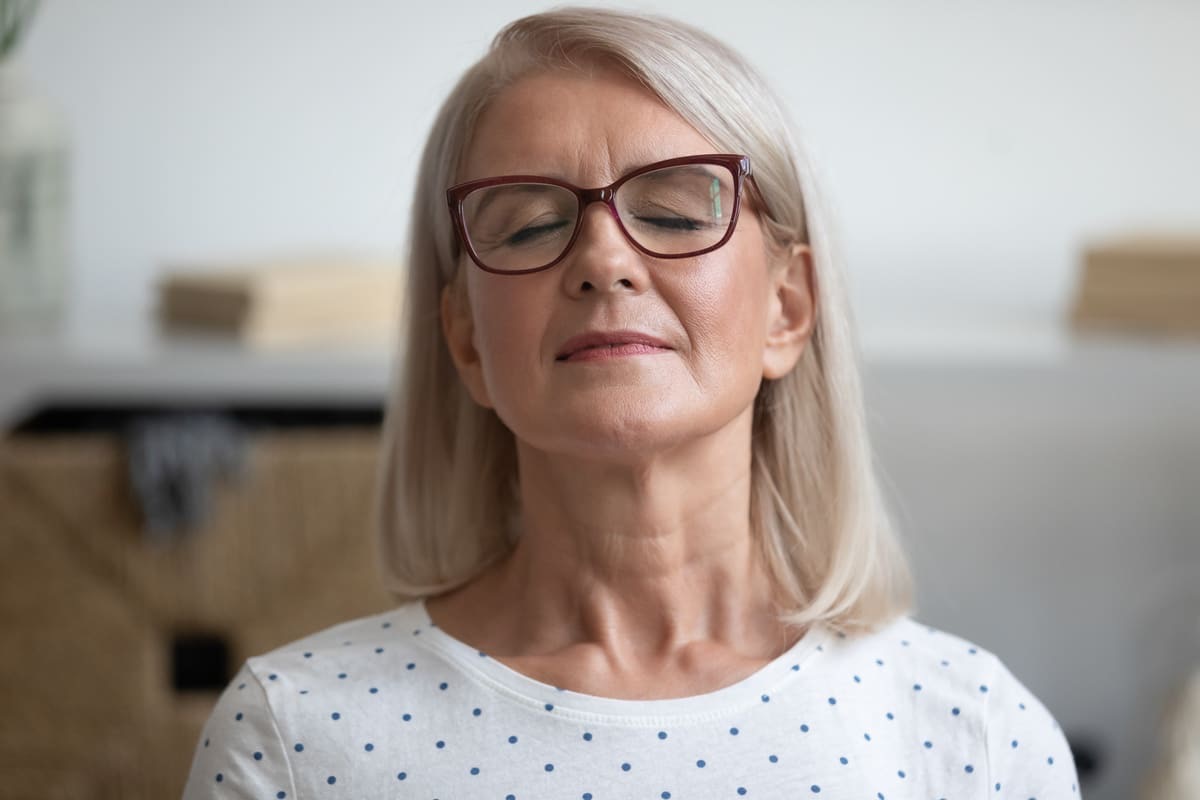
You might notice this in subtle ways. Holding your breath without realizing it. Tight shoulders. A sense that rest needs justification. These patterns don’t mean you’re anxious by nature. They mean your body learned to associate competence with effort and vigilance.
When the body is always working, confidence becomes fragile. It comes and goes depending on circumstances, feedback, or performance. But when the body begins to settle—even slightly—confidence becomes less conditional. You don’t need to feel perfect to feel okay. You don’t need constant reassurance to trust yourself.
This is where the work shifts from fixing thoughts to supporting the body. Small moments of grounding, gentle movement, and intentional slowing can begin to teach your system that it’s safe to be here, now, as you are. Over time, those moments add up.
Confidence, then, is no longer something you try to summon. It becomes a byproduct of feeling more at ease in your own body. Of taking up space without apology. Of letting your system experience what it’s like to not be on alert all the time.
In midlife, this kind of confidence matters more than the loud, performative version we were taught to chase. It’s quieter. More durable. Less dependent on outcomes.
And when confidence begins to live in the body, not just the mind, feelings of inadequacy start to lose their grip—not because you’ve argued them away, but because your system no longer needs to protect you from them.
Coming up next:
In the next part of this series, I’ll explore how the gut and emotional regulation are connected, and why supporting yourself from the inside out can make confidence feel more stable and sustainable over time.